
- Events
- European games
- Istanbul 2027
- Kraków – Małopolska 2023
- Minsk 2019
- Baku 2015
- European games
- Sport Europe TV
- News
- Historical Medallists
- Skopje 2025
- Lignano Sabbiadoro 2027
- Maribor 2023
- Banská Bystrica 2022
- Baku 2019
- Győr 2017
- Tbilisi 2015
- Utrecht 2013
- Trabzon 2011
- Tampere 2009
- Belgrade 2007
- Lignano Sabbiadoro 2005
- Paris 2003
- Murcia 2001
- Esbjerg 1999
- Lisbon 1997
- Bath 1995
- Valkenswaard 1993
- Brussels 1991
- Brasov 2027
- Bakuriani 2025
- Friuli-Venezia Giulia 2023
- Vuokatti 2022
- Sarajevo & East Sarajevo 2019
- Erzurum 2017
- Vorarlberg 2015
- Brașov 2013
- Liberec 2011
- Śląsk-Beskidy 2009
- Jaca 2007
- Monthey 2005
- Bled 2003
- Vuokatti 2001
- Poprad-Tatry 1999
- Sundsvall 1997
- Andorra 1995
- Aosta 1993
- Andorra 2025
- Malta 2023
- Montenegro 2019
- San Marino 2017
- Iceland 2015
 EOC
EOCMilan/Cortina d’Ampezzo — Europe once again proved that winter sport is very much its domain. The 2026 Winter Olympics concluded with a commanding performance from European nations, who dominated the medal table and set the competitive standard throughout two weeks of action on Italian soil.
🥇 Norway set the benchmark
The standout nation was Norway, finishing top of the medal table with 18 golds and 41 medals overall. The Nordic powerhouse reaffirmed its supremacy in cross-country skiing and biathlon, spearheaded by Johannes Høsflot Klæbo, whose multiple gold-medal haul cemented his status as one of the defining athletes of the Games.
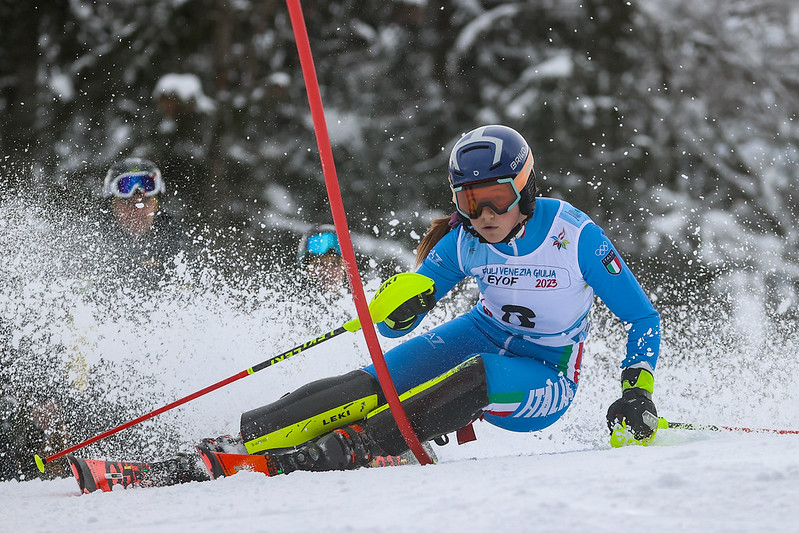
Italy deliver on home snow
As hosts, Italy enjoyed a historic Winter Olympics, producing their best-ever performance at a Winter Games with more than 30 medals. Gold medals in alpine skiing and speed skating electrified home crowds across Milan and Cortina, as a new generation of Italian athletes wrote their names into Olympic history.
Europe’s depth on display
European strength extended well beyond Norway and Italy:
- France impressed in biathlon and mountain disciplines.
- Sweden claimed major honours in curling and technical snow events.
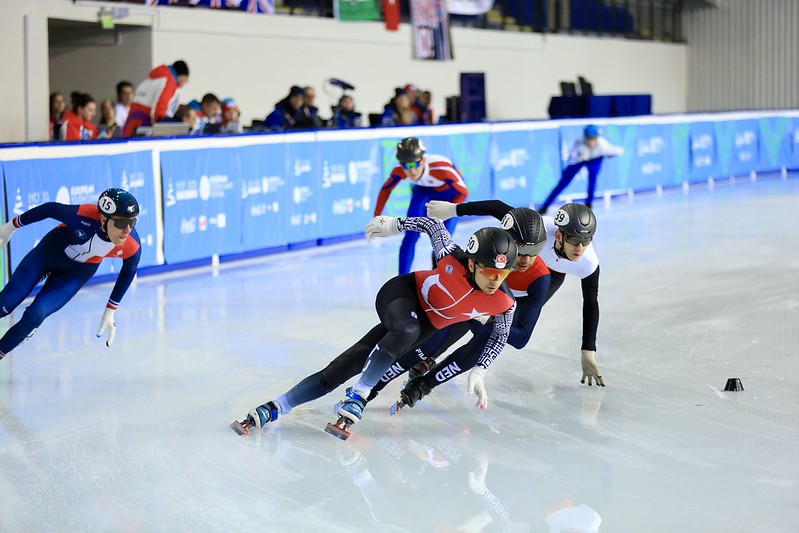
- Netherlands maintained their traditional dominance in speed skating, adding multiple podium finishes.
🔎 The key takeaways from Milano-Cortina 2026
- European dominance of the medal table, led by Norway.
- Italy’s best-ever Winter Olympic performance on home ground.
- The rise of new stars alongside established legends in skiing and biathlon.
- A modern, visually striking Games staged across iconic northern Italian venues.
Milano-Cortina 2026 was not merely about records and medal counts. It was a statement: in snow and ice, Europe remains the beating heart of world sport.
-
 RELATED NEWS


