
- Events
- European games
- Istanbul 2027
- Kraków – Małopolska 2023
- Minsk 2019
- Baku 2015
- European games
- Sport Europe TV
- News
- Historical Medallists
- Skopje 2025
- Lignano Sabbiadoro 2027
- Maribor 2023
- Banská Bystrica 2022
- Baku 2019
- Győr 2017
- Tbilisi 2015
- Utrecht 2013
- Trabzon 2011
- Tampere 2009
- Belgrade 2007
- Lignano Sabbiadoro 2005
- Paris 2003
- Murcia 2001
- Esbjerg 1999
- Lisbon 1997
- Bath 1995
- Valkenswaard 1993
- Brussels 1991
- Brasov 2027
- Bakuriani 2025
- Friuli-Venezia Giulia 2023
- Vuokatti 2022
- Sarajevo & East Sarajevo 2019
- Erzurum 2017
- Vorarlberg 2015
- Brașov 2013
- Liberec 2011
- Śląsk-Beskidy 2009
- Jaca 2007
- Monthey 2005
- Bled 2003
- Vuokatti 2001
- Poprad-Tatry 1999
- Sundsvall 1997
- Andorra 1995
- Aosta 1993
- Andorra 2025
- Malta 2023
- Montenegro 2019
- San Marino 2017
- Iceland 2015
 EOC
EOCEurope delivered a statement performance at the Milano Cortina 2026, topping the medal table in emphatic fashion with 73 golds, 73 silvers and 70 bronzes — an extraordinary 216 medals in total.
The gap to the chasing continents was striking. The Americas finished with 55 medals, Asia claimed 40, and Oceania managed nine, underlining the scale of Europe’s dominance across the Winter Games programme.
Depth, consistency and generational strength
From alpine skiing and biathlon to speed skating and cross-country skiing, European nations set the pace from the outset. Traditional winter powerhouses delivered as expected, yet the broader story lay in the continent’s depth: medals came from a wide range of countries, highlighting a competitive ecosystem that extends well beyond a handful of elite programmes.
Unlike other regions, which often relied on standout individuals, Europe’s strength was collective and sustained. Finals frequently featured multiple European contenders, turning podium battles into intra-continental contests.
The structural advantage: EYOF and youth pathways
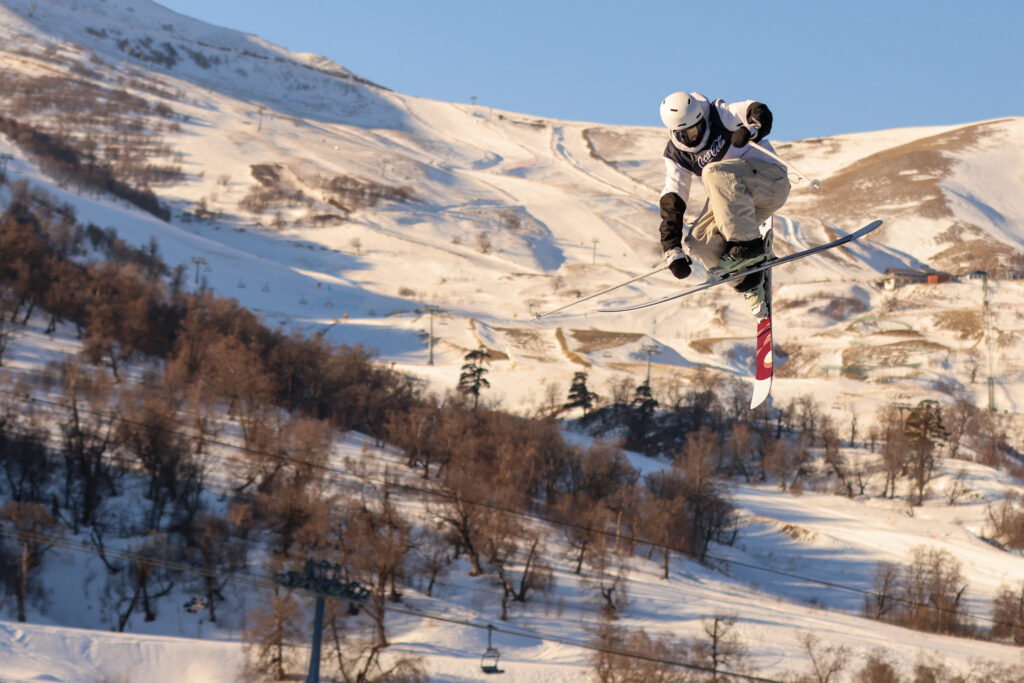
Attention has once again turned to Europe’s development model. Central to it is the European Youth Olympic Festival (EYOF), a multi-sport event that introduces young athletes to high-level international competition within a structured Olympic-style environment.
The EYOF acts as a bridge between junior competition and senior elite sport, offering early exposure to the pressures and standards required at global level. Many of Milano Cortina’s medallists previously competed in youth continental events, benefiting from a system designed to smooth the transition to senior championships.
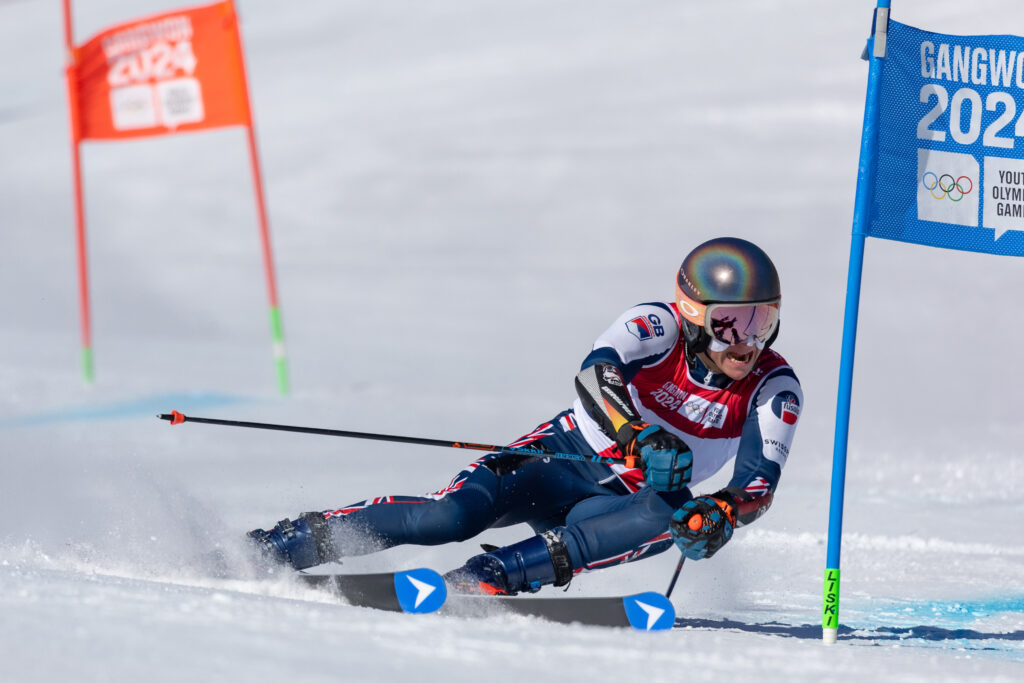
A similar pattern was evident at the Winter Youth Olympic Games Gangwon 2024, where Europe also comfortably led the medal standings. Those results now appear less a coincidence and more a preview of a generation ready to convert youth promise into Olympic success.
An ecosystem built for winter sport
Europe’s advantage is reinforced by several structural factors:
- Established domestic leagues and competition circuits
- Geographical proximity enabling frequent cross-border events
- Extensive winter sports infrastructure
- Long-term talent identification and funding frameworks
This constant internal competition raises performance standards and ensures that emerging athletes are tested rigorously long before they reach the Olympic stage.
A widening continental gap?
While the Americas and parts of Asia remain competitive in selected disciplines, the overall depth across events was unmatched. Oceania’s modest return further illustrated how concentrated winter sports excellence remains geographically.
If Milano Cortina 2026 confirmed anything, it is that Europe’s supremacy in winter sport is neither accidental nor temporary. Backed by a coherent youth structure and sustained investment, the continent has built a pipeline that continues to deliver — and the rest of the world faces a significant challenge to close the gap.
-
 RELATED NEWS


